2011 Ducati Superbike
  
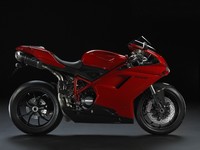
Sportbike perfection
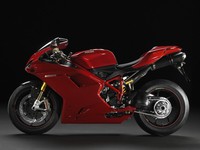 The
2011 Superbike model line-up presents the exciting
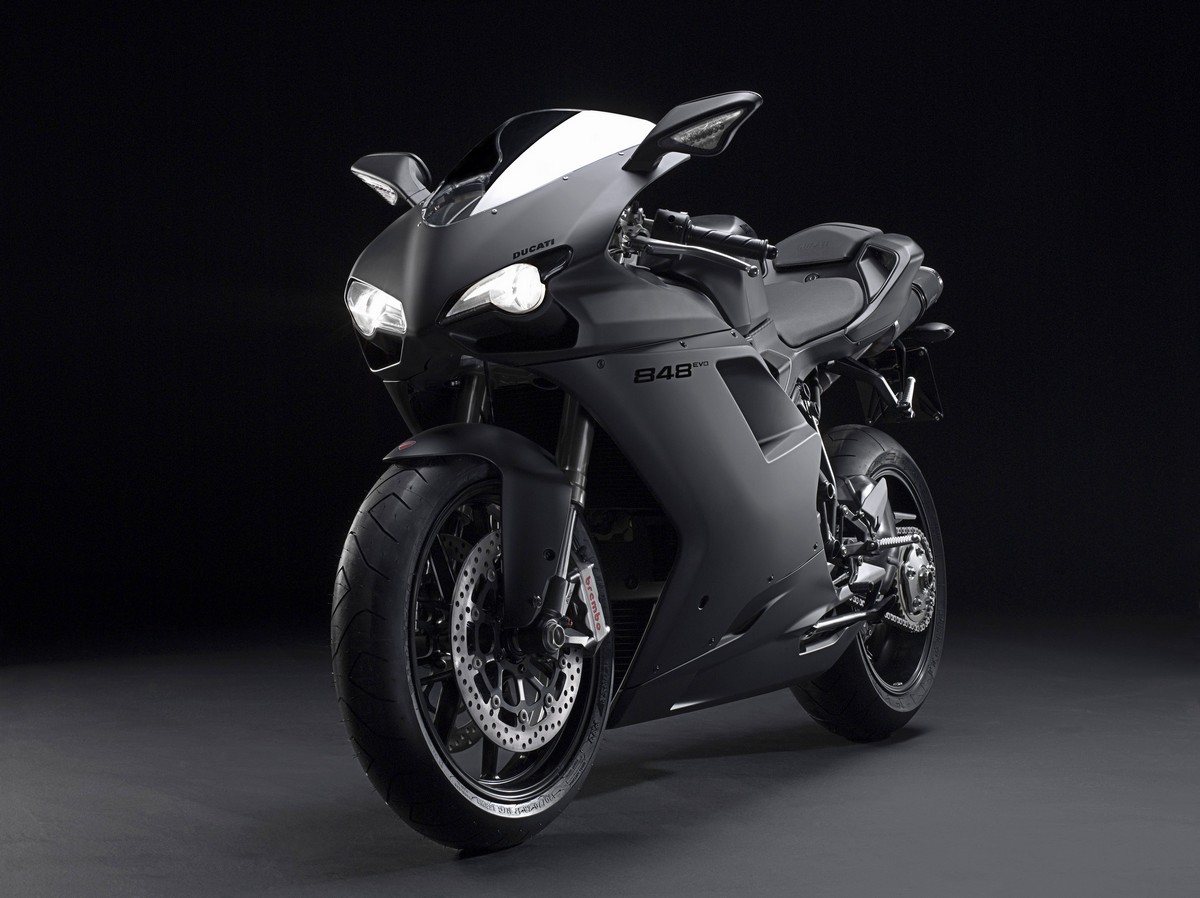
new 848EVO with 140hp, Brembo Monobloc The
2011 Superbike model line-up presents the exciting
new 848EVO with 140hp, Brembo Monobloc
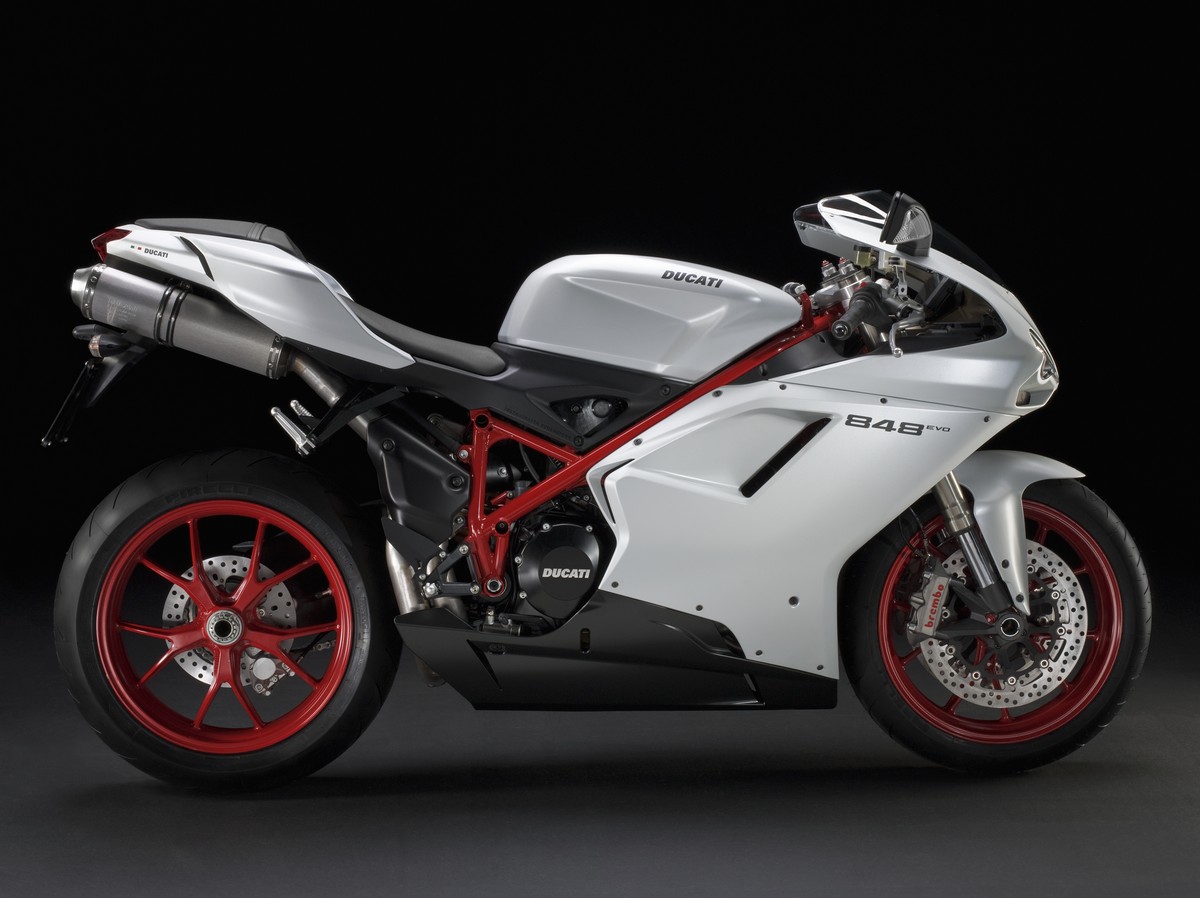
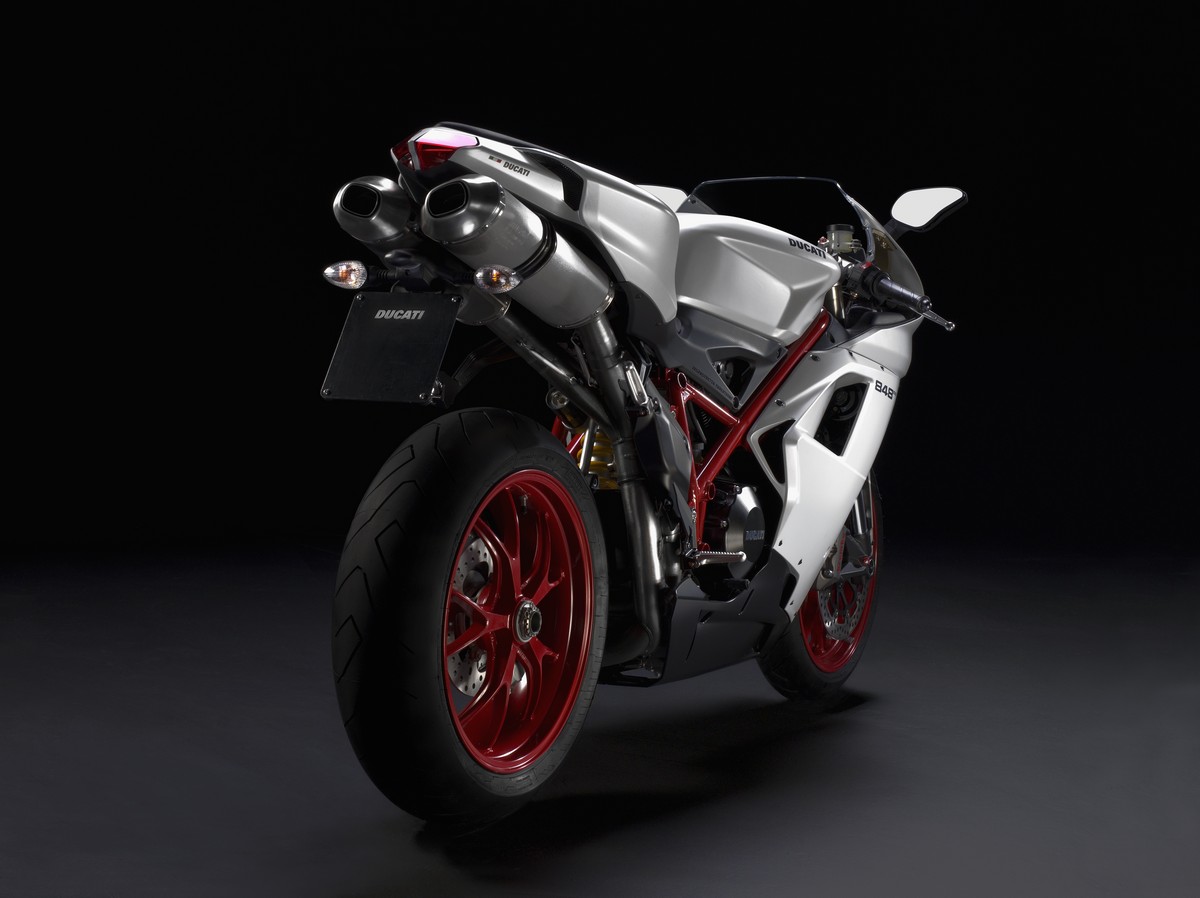
callipers, steering damper and stunning new arctic
white silk colour scheme with red frame and red wheels
and dark stealth finish with black frame and black
wheels. The 1198 now comes equipped with Ducati
Traction Control (DTC), Ducati Quick Shifter (DQS)
and Ducati Data Analyser (DDA) as standard equipment
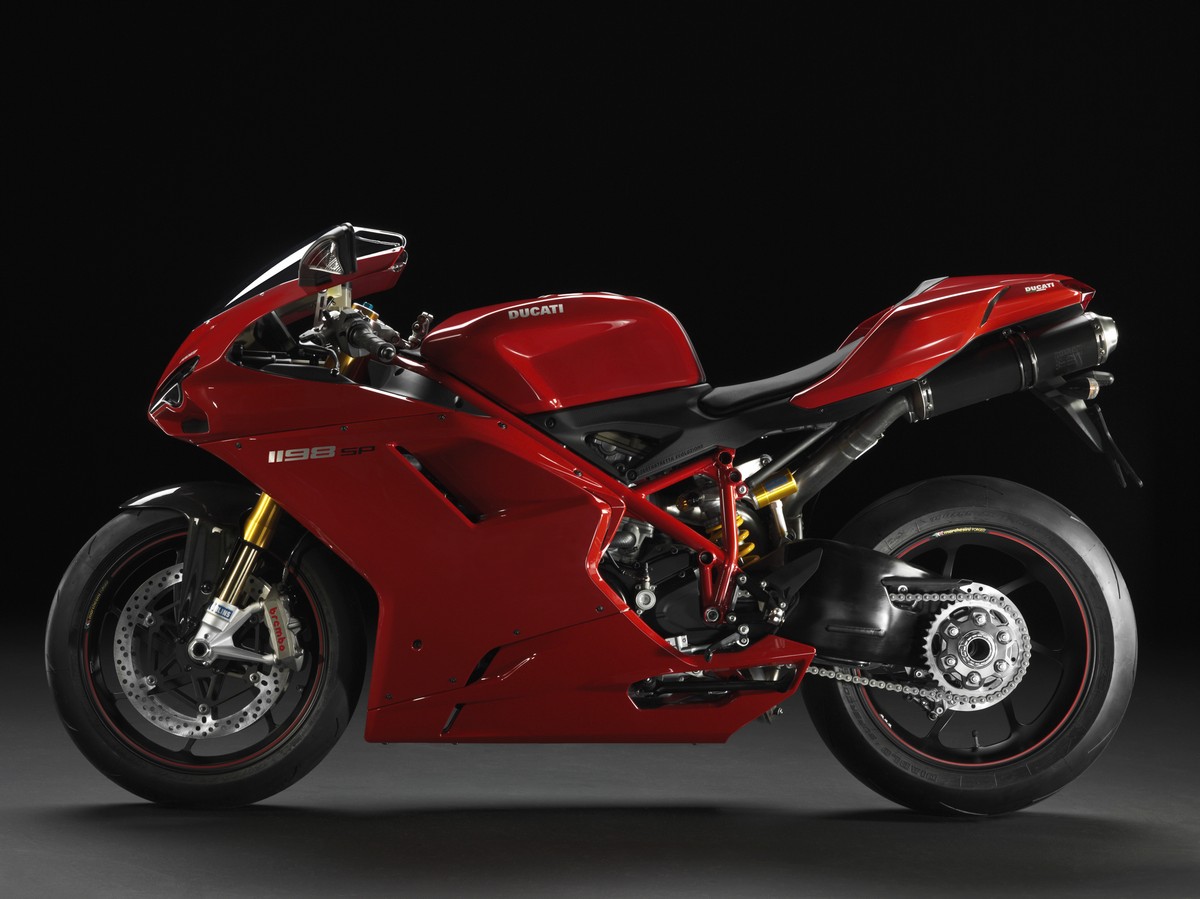
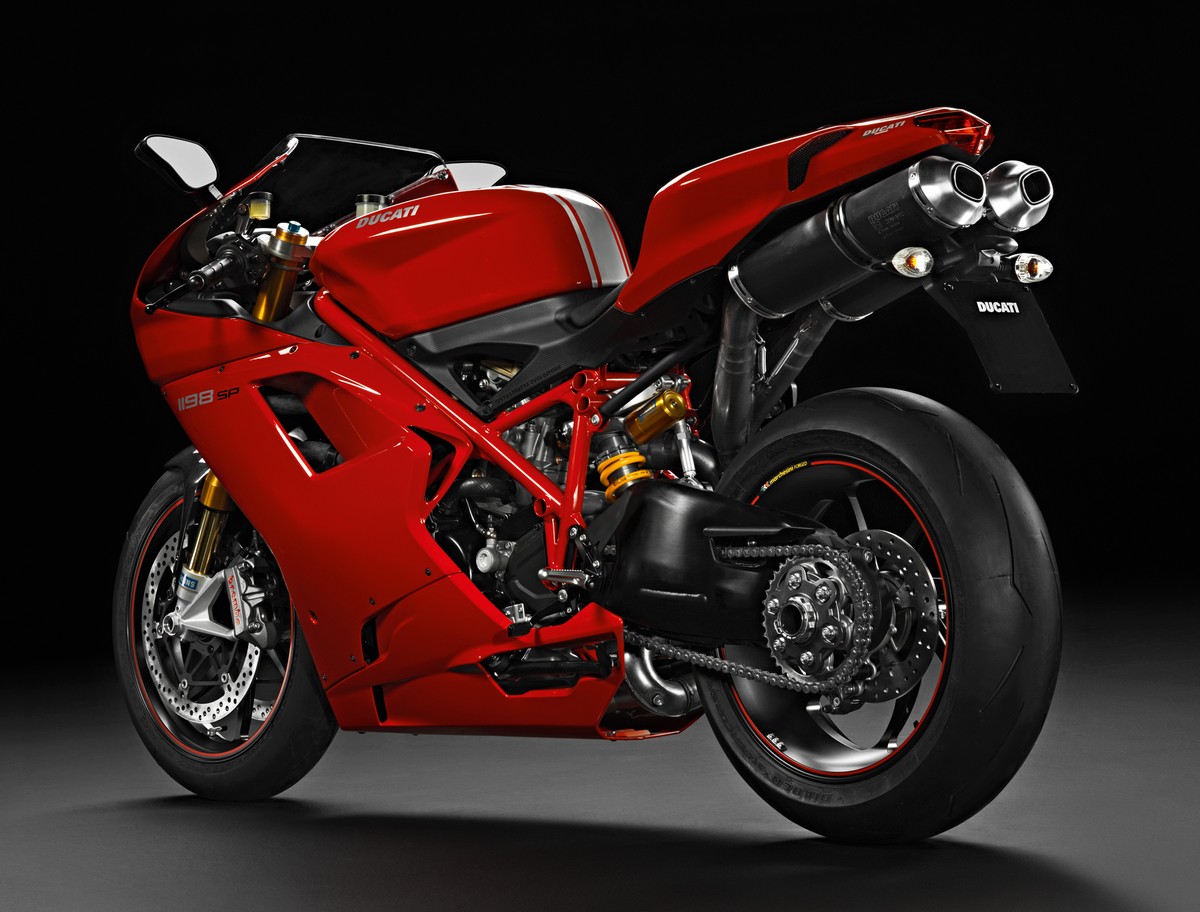
while the brand new, track-ready 1198 SP rolls out
with DTC, DQS, DDA, Ohlins TTX rear suspension, slipper
clutch and lightweight aluminium fuel tank.
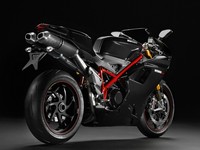 The
application of DTC to the standard model 1198 underlines
Ducati’s intention to broaden the use of tried The
application of DTC to the standard model 1198 underlines
Ducati’s intention to broaden the use of tried
and tested race-derived electronics to its high-powered
range, while the introduction of DQS to the 1198
and 1198 SP marks the first time in history that “quick-shift”
electronics have been fitted to a production
Ducati.
Engineered by the stopwatch
The Ducati 848EVO, 1198 and 1198 SP
Superbikes are the product of a team of designers
and engineers who have combined their Ducati MotoGP
and World Superbike technologies to create the finest
sportbikes in the world. From race-level engine specifications
to World Championship-winning traction control and
quickshift electronics, the results are pure excellence.
The Ducati Traction Control (DTC) system further confirms
Ducati's technology flow from racing to production
and demonstrates how solutions developed for the track
can be applied to enhance safer performance on the
road.
Designed by the race track
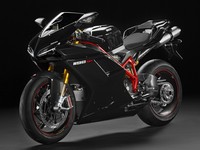 Ducati
Superbikes are race bikes, pure and simple. Their
striking aerodynamic shapes create a natural riding Ducati
Superbikes are race bikes, pure and simple. Their
striking aerodynamic shapes create a natural riding
position, confirmed by Ducati development and factory
team riders as the optimum for speed and agility.
Performance is first and foremost in every detail.
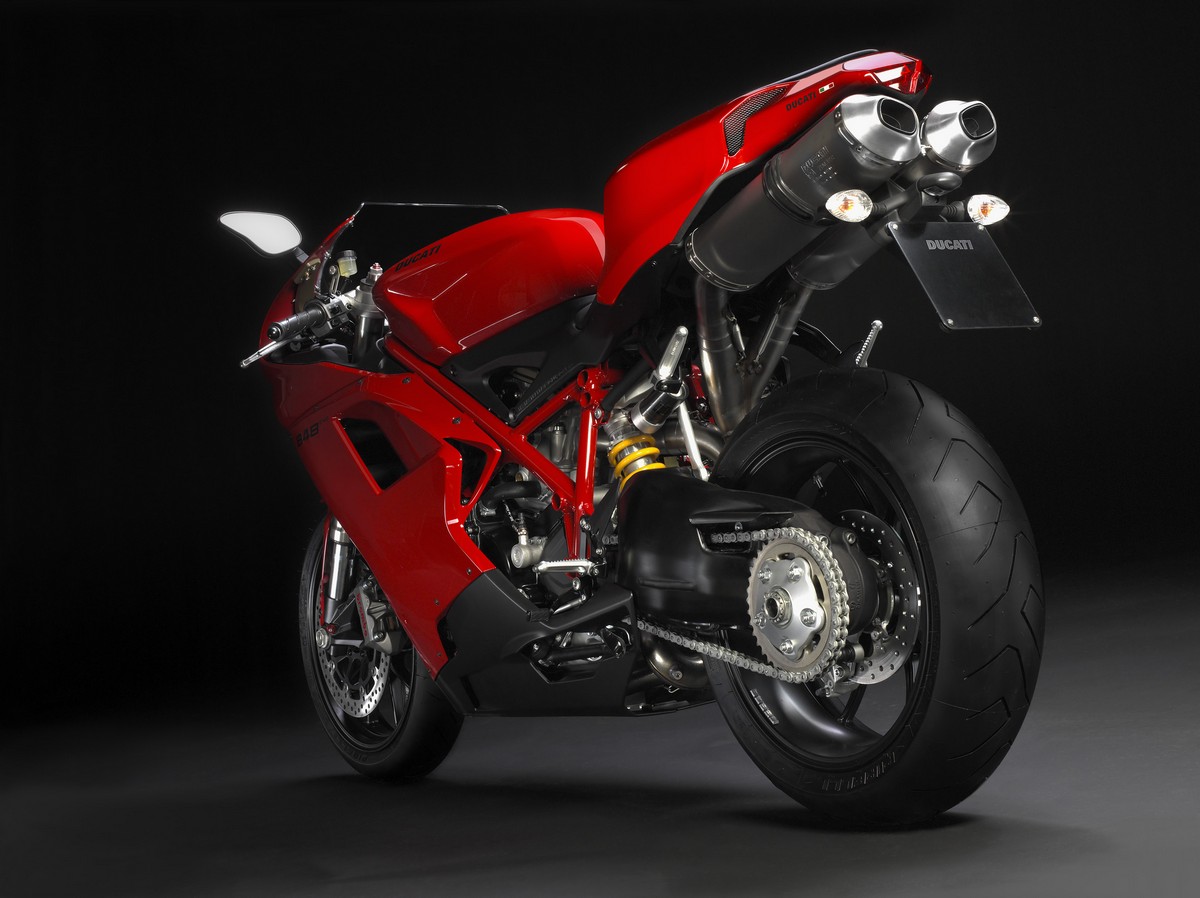
Trademark Ducati features like the
high tail section and compact front end combine with
twin under-seat
silencers and single-sided swingarm to express the
sheer engineering beauty of aerodynamics and agility.
Add the Testastretta Evoluzione engines as the hearts
of the machines and the result is all-out performance
Ducati Superbikes that look fast even when parked.
Superbike Chassis
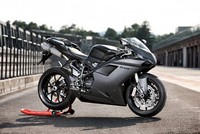 The
848EVO, 1198 and 1198 SP chassis and suspension are
the result of a 'performance-first' priority The
848EVO, 1198 and 1198 SP chassis and suspension are
the result of a 'performance-first' priority
approach to development, in which the goal is always
to further reduce weight and increase strength and
rigidity to manage the high-powered Testastretta Evoluzione
engines.
Trellis frame
Developed in cooperation with Ducati
Corse, the lightweight Trellis frame features 34mm
main section
tubes with a material thickness of 1.5mm. The result
is an incredibly rigid construction that remains one
of
Ducati's lightest frame solutions ever. Adding style
to performance, the three colour versions for the
848EVO
use frames finished in red and racing black while
the 1198 is in racing black and both schemes of the
1198
SP are finished in red.
Front suspension
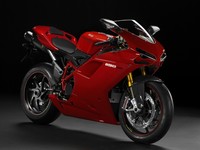 Both
the 848EVO and 1198 feature fully adjustable 43mm
Showa forks, with an additional special low friction
titanium oxide treatment applied to the sliders of
the 1198, while spectacular 43mm Öhlins with
low friction titanium nitride-treated sliders are
used on the 1198 SP. Both front suspension solutions
have radial brake calliper mountings providing superior
road holding and incredible feedback to give every
rider more Both
the 848EVO and 1198 feature fully adjustable 43mm
Showa forks, with an additional special low friction
titanium oxide treatment applied to the sliders of
the 1198, while spectacular 43mm Öhlins with
low friction titanium nitride-treated sliders are
used on the 1198 SP. Both front suspension solutions
have radial brake calliper mountings providing superior
road holding and incredible feedback to give every
rider more
confidence and control.
Rear suspension
The lightweight Trellis frame and single-sided
swingarm enable a compact and weight-saving rear
suspension linkage system that features separate lower
pick-up points for the push-rod and suspension
unit. This 'tandem' design effectively reduces stress
around the linkage pick-up area of the Trellis frame.
Working together with this highly efficient linkage
is a fully adjustable Showa single shock for the 848EVO
and 1198, and an incredible Öhlins unit for the
1198 SP with TTX twin tube technology providing totally
separate damping adjustment in compression and rebound.
The system uses experience gained in MotoGP to
minimise friction and reduce the risk of cavitation
under extreme conditions. The 1198 and 1198 SP rear
suspension system has an adjustable rear ride-height,
independent of spring pre-load and other suspension
settings – valuable when seeking the perfect
set-up for personal riding style or track conditions.
Single-sided swingarm
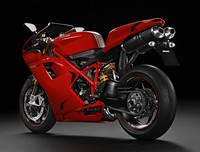 The
dual construction technique used for the single-sided
swingarm allows the main operational The
dual construction technique used for the single-sided
swingarm allows the main operational
components to use individual aluminium castings so
as to ensure strength around the pivot points, wheel
hub and suspension links, while lightweight, fabricated
aluminium sections are used to complete the
construction into a single, beautifully engineered
component. The 848EVO, 1198 and 1198 SP all have singlesided
swingarms finished in black.
Race-bred brakes
Ducati Superbikes have always been
famous for their incredible, track-derived braking
performance and the
2011 model line-up is no exception.
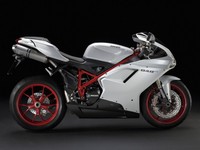 The
1198, 1198 SP and now the 848EVO all use Brembo's
incredibly powerful Monobloc calliper racing The
1198, 1198 SP and now the 848EVO all use Brembo's
incredibly powerful Monobloc calliper racing
technology. Machined from a single piece of alloy,
the callipers achieve a higher rigidity and resistance
to
distortion during extreme braking. The resulting increase
in hydraulic efficiency not only delivers incredible
braking power, but also provides an enhanced and precise
'feel' at the brake lever. The twin Monobloc
callipers each have four 34mm pistons that grip 320mm
discs on the 848EVO and huge 330mm discs on the
1198 and 1198 SP to achieve spectacular braking performance.
Super lightweight wheels
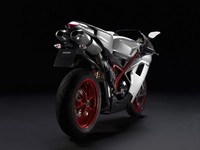 The
lightweight front wheels used on all Ducati Superbike
models substantially reduces the moment of The
lightweight front wheels used on all Ducati Superbike
models substantially reduces the moment of
inertia, enabling a faster change of direction and
enhanced acceleration and braking performances. The
848EVO is equipped with Y-shaped, 5-spoke wheels by
Enkei which are finished in black while the 1198 rides
on 10-spoke wheels finished in a subtle graphite grey,
also by Enkei. The 1198 SP goes to the next
specification level by rolling out on beautiful black
7-spoke lightweight, forged-aluminium, machine-finished
wheels by Marchesini.
The 848EVO 1198 and 1198 SP models
are all fitted with Pirelli Diablo Supercorsa SP tyres,
at 120/70 ZR17 for the front, 180/55 ZR17 for the
rear of the 848EVO and 190/55 ZR17 for the rear of
both 1198 models.
 These
high-performance tyres have shoulder areas that maximize
the contact patch and carcasses specially These
high-performance tyres have shoulder areas that maximize
the contact patch and carcasses specially
designed for stiffness under heavy braking and precision
during high speed cornering. This precision in tyre
construction enabled Ducati technicians to create
extremely fine programs for the Ducati Traction Controls
systems used on the 1198 and 1198 SP.
Magnesium subframe
Producing a front subframe in magnesium
underlines the attention to weight-saving detail in
the Ducati
Superbike range. Its construction provides secure
support for the headlamp, instruments and fairing,
and
the weight-saving around this high, forward position
contributes considerably to overall 'feel' and control
of
the machine.
Aerodynamic bodywork
Carefully designed for aerodynamic
efficiency and to hug the sleek lines of the chassis,
the Superbike
bodywork enables the rider to blend effortlessly into
the correct riding position.
Its race-developed fairing design ensures
perfect integration with the cooling system by providing
efficient
flow through the advanced, large surface area coolant
radiator, which is assisted by lightweight, high flow
electric fan assemblies and oil coolers. Aerodynamically
shaped air ducts positioned just below the
headlamps are precisely calculated to provide ample
air delivery to the pressurised airbox.
The lightweight bodywork contributes
considerably to overall performance by reducing weight,
protecting
the Testastretta Evoluzione engine's power output,
and assisting the rider to effortlessly 'tuck in'
from the
wind stream and reduce drag to achieve maximum straight-line
track speeds.
Instrumentation
This pure racing digital instrumentation
originating from Ducati's MotoGP project has no switches
or
buttons to compromise its clean, minimalist lines.
Instead, information additional to the default read-outs
is
managed from the left-hand handlebar-mounted switch
gear, allowing the rider to scroll through and select
from various menus. The display, which has a bright
white LED back lighting presents rpm and speed, with
the former displayed across the screen in a progressive
bar graph. Optionally, the rpm and speed can be
displayed in numeric values. Additionally, it displays
lap times, DTC level selected (if activated on 1198
and
1198 SP) time, air temperature, coolant temperature,
battery voltage, two trips and a trip that automatically
starts as the fuel system goes onto reserve. Warning
lights illuminate to signify neutral, turn signals,
highbeam,
rev-limit, low oil pressure, fuel reserve, DTC intervention
(if activated on 1198 and 1198 SP) and
scheduled maintenance. The instrument display is also
used as the control panels for the DDA (supplied as
standard equipment with the 1198 and 1198 SP), DTC
and DQS systems as well as listing lap times
recorded by using the high-beam flash button as a
stopwatch.
Superbike lights and indicators
The horizontal twin headlamps, a signature
Ducati style from the iconic 916, are modernised with
the latest
lighting technology. Two polyellipsoidal units light
the way with a powerful beam while maintaining an
aggressive look to the front of the machine in pure
Ducati Superbike tradition.
The rear light employs a specially
designed strip of LEDs enhanced by a high diffusion
lens shaped into the
sleek lines of the tailpiece. The same LEDs are intensified
for brake lights.
The directional indicators also use
the latest in LED technology for illumination. The
frontal indicators are
beautifully integrated into the rear view mirrors,
which come with an optional spacer kit enabling an
extension of 30mm over the standard mirror stem length.
Ducati Quick Shift
The Ducati Quick Shift (DQS) system
is the first time that a race-style electronic quick-shift
has been
supplied as original equipment on a production Ducati.
Normally used specifically for racing, the system
allows the rider to keep the throttle open when changing-up
through the gearbox, helping to save vital
seconds in the pursuit of faster lap-times. The system
not only saves time when changing gear, but also
enables the possibility of uninterrupted air flow
through the throttle bodies throughout the upward
gearchanging process.
The system consists of a micro-switch
built into the linkage of the gear change lever, which
when actuated
in the direction of selecting a higher gear, sends
a signal to the main ECU. The ECU instantly understands
which gear the motorcycle is in by calculating the
rpm and vehicle speed and then reads the amount of
throttle opening before applying a pre-programmed
cut in fuel injection and ignition measured in
milliseconds. This spilt-second electronic interruption
in drive is programmed precisely to allow the next
gear to be selected without having to actuate the
clutch or close the throttle.
The DQS system can be deactivated by
entering the control panel in the motorcycle’s
instrumentation and
is reactivated by default the next time the ignition
is turned on. As the system only functions for a matter
of
milliseconds, the 1198 and 1198 SP can still be ridden
using a normal gear-changing style.
Ducati Traction Control
Ducati were the first manufacturer
to introduce a true competition-level traction control
system on a
production motorcycle and for 2011 the highly successful
system is now integrated into both the 1198 and
1198 SP electronics as standard equipment. The Ducati
Traction Control (DTC) system further underlines
Ducati's technology flow from racing to production
and demonstrates how solutions developed for the track
can be applied to enhance performance safety on the
road.
DTC uses the same software logic developed
and used by Ducati Corse for their World Championshipwinning
MotoGP and World Superbike motorcycles and offers
a choice of eight settings developed by their professional
test riders and racers.
Accessible from the left-hand switchgear
and displayed on the digital instrumentation, the
system offers a
choice of eight profiles, each one programmed with
a wheel-spin tolerance matched to progressive riding
levels of skill graded from one to eight. While level
eight administers a confidence-building, high level
of
interaction from the system by activating upon the
slightest amount of wheel-spin, level one offers a
much
higher tolerance and, therefore, much less intervention
for highly competent riders. When the level is
selected and DTC activated, the level is displayed
on the instrumentation.
When the profile that best suits the
combination of road or track conditions and riding
style has been
selected and the DTC system activated, front and rear
wheel sensors compare speed differential to sense
when rear traction is being broken (wheel-spin). DTC
then decides the best combination of two different
types of instant electronic adjustment, calculated
with data supplied from multiple sources.
The first 'soft' stage of system interaction
is executed by high speed software that makes instant
electronic
adjustment to the ignition timing, administering varying
amounts of ignition retardation to reduce the
engine's torque. During this initial stage of DTC
interaction, up to three red lights – normally
used to signify
the over-rev limiter – illuminate to indicate
the amount of DTC being applied.
If the DTC software detects that the
first 'soft' stage of system interaction is inadequate
to control the
wheel-spin, it continues to administer ignition retardation
and, in addition, instructs the engine ECU to
initiate a pattern of constantly increasing injection
cuts until, if necessary, full injection cut. During
this
second stage of interaction, all four warning lights
fully illuminate to signify that DTC has also initiated
injection cuts. As soon as the system recognises the
gradual return of equal wheel speeds, it incrementally
re-establishes normal power delivery. This seamless
interaction is key to the super-smooth operation of
the system.
The real innovative thinking behind
the DTC system is how the various range of sensitivity
levels decide
precisely how to react to excessive wheel-spin by
understanding the bike's exact 'dynamic situation'.
From
slow mid-corner acceleration with considerable vehicle
inclination to high speed corner exits while almost
upright, this 'system intelligence' is achieved by
processing a mass of data in a matter of milliseconds.
This
technology exists thanks to the thousands of laps
and hours spent testing, programming and earning Ducati
Corse race victories on the track. It represents just
part of Ducati's latest road-bike technology and provides
considerable increase in performance safety during
mid-corner acceleration.
Data acquisition
The Ducati Data Analyser (DDA) –
complete with PC software, a USB-ready data retrieval
card and
instructions – evaluates the performances of
the bike and its rider, and makes comparisons between
various channels of information. The DDA is available
for the 848EVO from Ducati Performance, and is
supplied as standard equipment with the 1198 and 1198
SP.
Normally only available on race bikes,
DDA records numerous channels of data including throttle
opening,
vehicle speed, engine rpm, engine temperature, distance
travelled, laps and lap times. The system also
automatically calculates engine rpm and vehicle speed
data so as to display gear selection as an extra
channel of information. An additional channel of information
is now dedicated to recording the DTC index
which can then be viewed as a graphic trace and indicates
the amount of DTC interaction during wheelspin.
At the end of a ride or track session, an upgraded
4mb of data can be downloaded to a PC ready to
compare, analyse and get an inside view of the performance
of the rider and motorcycle.
Data can be analysed in graphic form with options
to zoom into detail of specific sections. Dragging
a trace
along a timeline to reveal individual values of the
above listed channels enables the user to analyse
performance in the same way that data technicians
can in factory teams. The software allows data to
be
compared with that from a completely separate session
and for pages of data to be printed off easily.
2011 DUCATI 848EVO
Ducati 848EVO - EXCITEMENTEVO
The 2011 848EVO now further enhances
Ducati's most impressive lightweight Superbike ever
with more
power from the Testastretta engine and more braking
power from Brembo’s incredible Monobloc brake
technology combining to provide an even more exciting
way to enter the world of Ducati Superbikes.
The “EVO” treatment applied to the 848
introduces a 6hp power boost to 140hp (103kW) and
a torque
increase to 72.3lb-ft (98Nm) that results in a razor-sharp
and easy-to-use power delivery while the
combination of the 848's legendary (168kg) chassis
set-up and planet-stopping Brembo Monobloc brakes
gives unthinkable braking performances most can only
dream of.
In pursuit of perfection, Ducati engineers
have listened to passionate owners of the 848 Superbike
since its
delivery in 2008 and now enhance its specifications
to deliver impressive performances whether riding
through mid-town traffic or racing through track-day
competition.
Iconic features from the World Championship-winning
machines, such as the twin under-seat silencers,
single-sided swingarm, Trellis frame, beautiful race
bodywork and steering damper, are all part of the
848EVO's DNA. Its family resemblance assures that
it is equipped with all the performance advancements
of
the Superbike family, while adding its own particular
character and style.
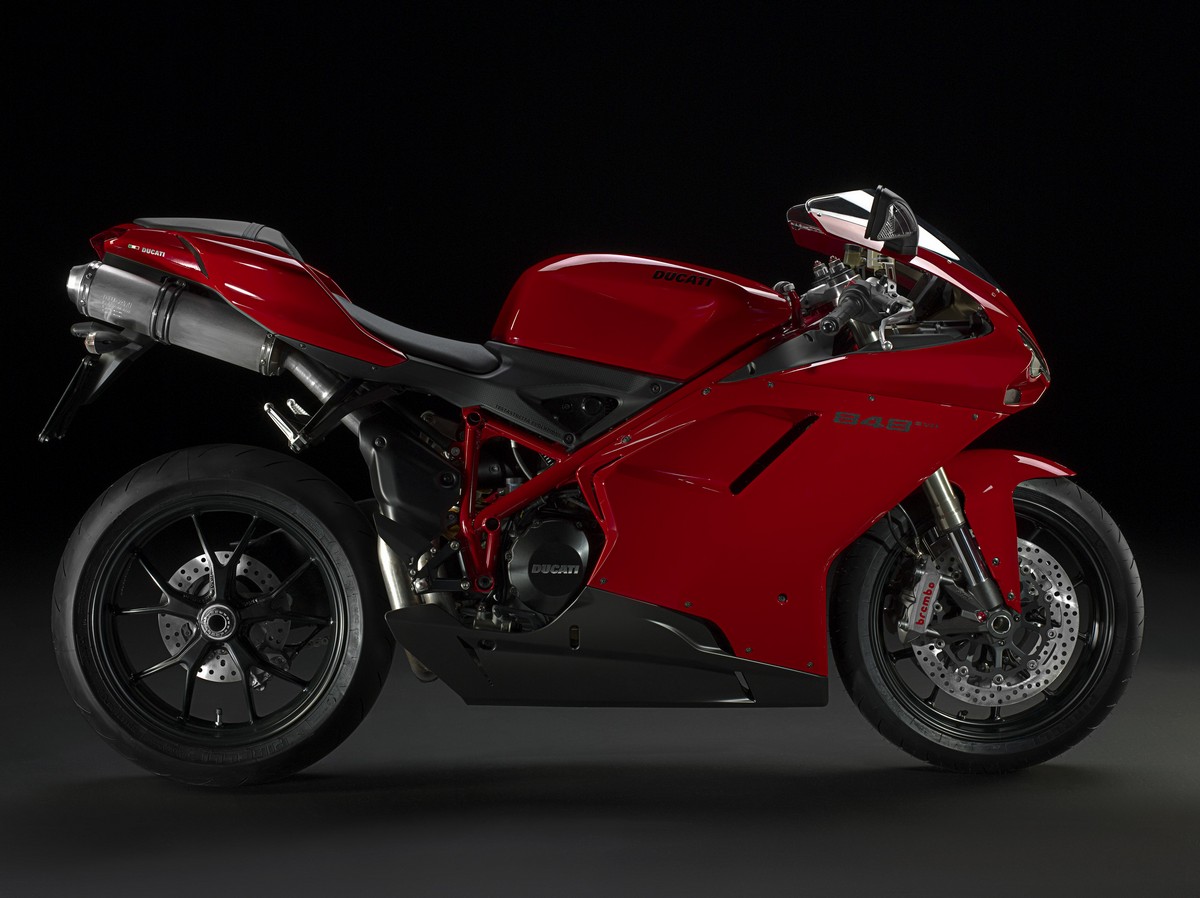
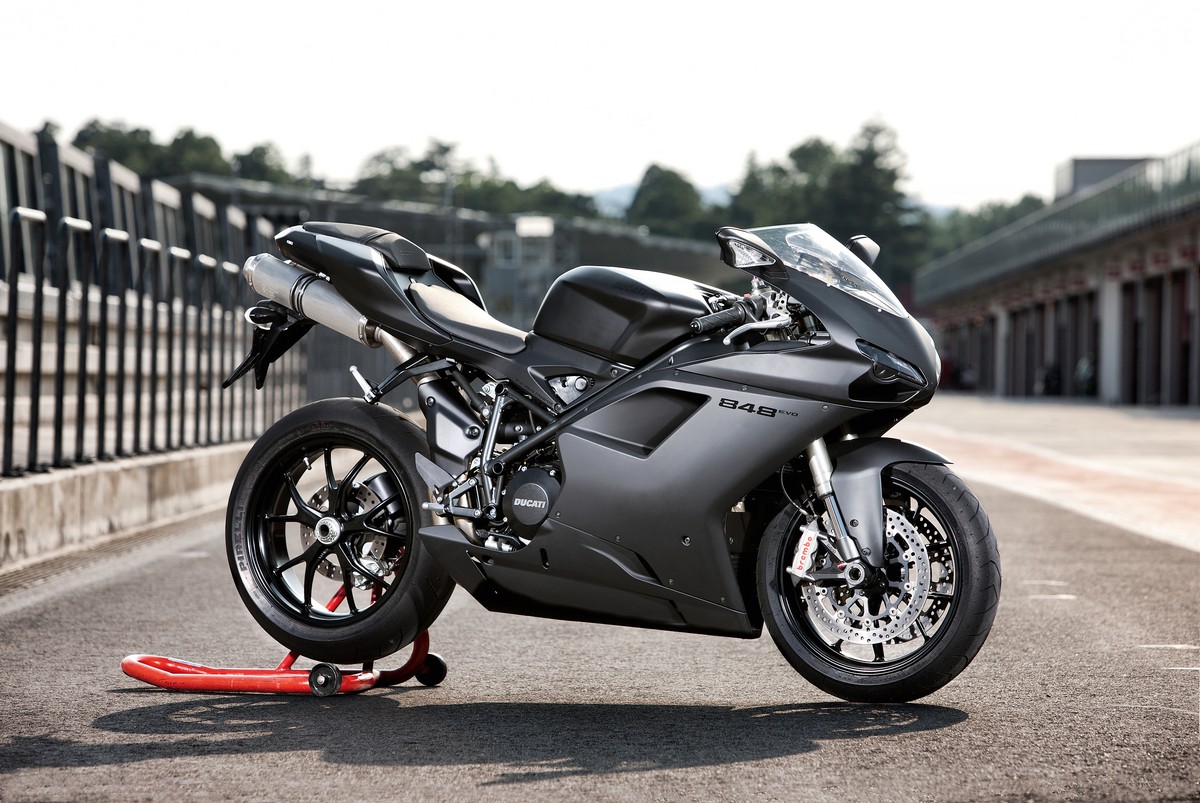
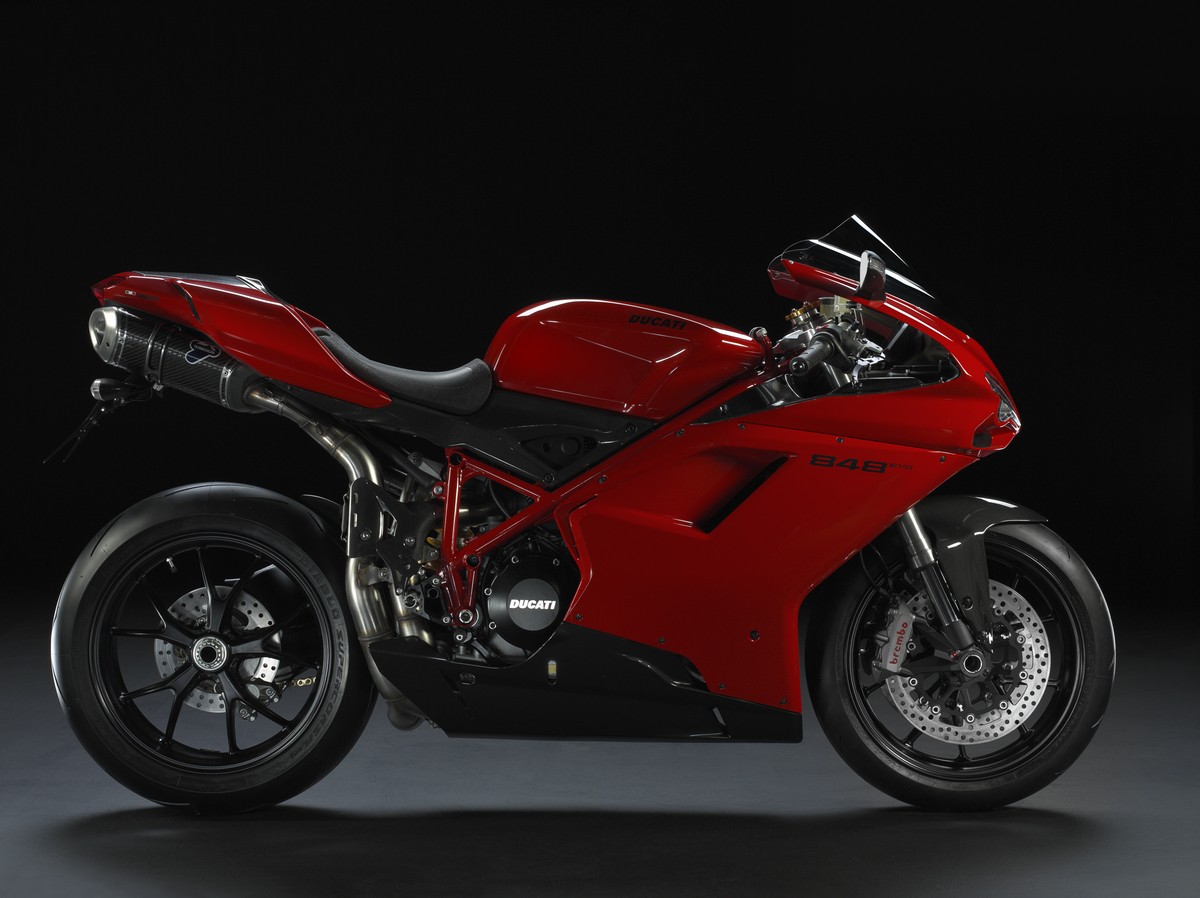
The 848EVO maintains the traditional
colour of Ducati red with red frame and black wheels
and introduces the stunning new schemes of arctic
white silk with red frame and red wheels and “dark
stealth” with racing
black frame and black wheels.
The 848 Testastretta Evoluzione
engine
The new 848EVO is powered by a liquid
cooled, L-Twin, Desmodromic engine that produces 140hp
(103kW) @ 10,500rpm and a high-accelerating 72.3lb-ft
(10kgm) of torque @ 9,750rpm.
The 94mm x 61.2mm bore and stroke breathes
through 4 valves per cylinder fed by totally revised
inlet port
shapes and racing-style elliptical throttle bodies,
which are now increased in size from an equivalent
diameter of 56mm to 60mm.
A brand new piston crown and combustion
chamber shape improve burn efficiency and increase
the
compression ratio from 12:1 to a power-enhancing 13.2:1
while new performance-driven camshafts provide
13mm of valve-lift compared with 11.5mm and an inlet
duration increase from 253° to 257°.
These incredible valve performances
are made possible because of Ducati's unique Desmodromic
system,
where valve closure is activated mechanically. At
high rpm it would be almost impossible for the valve
to
follow the steep closure profile of the cam lobe if
it were relying upon a normal valve spring. With the
Desmo system, the valve is closed mechanically with
the same accuracy as it is opened, enabling steep
cam profiles and radical cam timings. This system
is used on every single Ducati motorcycle including
their
world-beating Superbike and Desmosedici MotoGP bikes.
Electronically injected and ignited
by Marelli, the super-efficient power unit then exhausts
through a
lightweight 2-1-2 system equipped with a catalytic
converter and up-rated to twin lambda probes for
smooth mapping and Euro3 conformity. Terminating in
Ducati's trademark twin under-seat silencers, the
system delivers that unmistakable signature sound
of the Desmo 90° L-Twin.
The highly advanced 848 engine was
the first Ducati Superbike to introduce vacuum die-cast
crankcases,
formed using Vacural® technology, a process that
achieves a significant weight saving and ensures
consistent wall thickness and increased strength.
For 2011 this impressively lightweight engine has
its
outer-cases finished in black.
The 848EVO engine is a fitting reward
to Ducati's ingenuity and a clear result of the continual
attention to
detail and development of their twin-cylinder technology.
Having more experience and success
with twin-cylinder high performance engines than any
other
manufacturer, the L-Twin configuration remains central
to Ducati's philosophy of motorcycling. This
experience, plus constant investment in quality by
design, advanced materials and engineering techniques,
has enabled 7,500 miles (12,000 kilometres) between
service intervals, making Ducati ownership easy and
enjoyable.
DUCATI 1198
World Championship-winning
technology
The 2011 1198 is supplied with the
Ducati Data Analysis (DDA), Ducati Traction Control
(DTC) and Ducati
Quick Shift (DQS) systems as standard equipment.
The DDA package enables the retrieval
and analysis of data collected from a previous track
session or road
trip and DTC monitors front and rear wheel speeds
to detect rear wheel-spin under acceleration and
electronically reduces engine power to restore traction.
DQS allows the throttle to remain open when
changing-up through the gearbox, helping to save vital
seconds in the pursuit of faster lap-times.
The 1198 was born to perform and with a colossal 97lb-ft
(13.4kgm) of torque from its Testastretta
Evoluzione engine and dry weight of just 171kg (377lb)
it always delivers. Its victory-driven technology
comes directly from Ducati's World Championship-winning
race bikes – and it's evident in every detail
of
the bike.
Fully adjustable Showa front suspension
carries radial mountings designed for the awesome
stopping
power generated by Brembo Monobloc callipers and 330mm
discs. Fully adjustable Showa suspension at
the rear and lightweight 10-spoke wheels complete
an impressive set-up.
For 2011 the 1198 is available in traditional
Ducati red with a racing black frame and graphite
grey wheels.
The 1198 Testastretta Evoluzione
engine
The Testastretta Evoluzione engine
is the crowning glory of Ducati's development and
perfection of the LTwin engine. World Superbike dominance
for almost two decades is the result of continual
commitment to
their twin-cylinder configuration. Ducati share the
reward for that commitment with World Championship
winning technologies constantly flowing from the factory
race team into production engines.
The incredible 1198 and 1198 SP are
all powered by a liquid cooled, L-Twin, Desmodromic
engine that
produces 170hp (125kW) @ 9,750rpm and a class-beating
97lb-ft (13.4kgm) of torque @ 8,000rpm.
The 1198 achieves its capacity by using exactly the
same 106 x 67.9 bore and stroke as the factory race
bike. Volumetric efficiency through the four valves
per cylinder is optimised with valve diameters at
43.5mm for the inlet and 35.5mm for the exhaust. They
are actuated by racing-type rocker arms, 'superfinished'
for reduced friction and fatigue, and double overhead
camshafts with radical profiles.
The incredible valve performances achieved
are only possible because of Ducati's unique Desmodromic
system, where valve closure is activated mechanically.
At high rpm it would be almost impossible for the
valve to follow the steep closure profile of the cam
lobe if it were relying upon a normal valve spring.
With
the Desmo system, the valve is closed mechanically
with the same accuracy as it is opened, enabling steep
cam profiles and radical cam timings. This system
is used on every single Ducati motorcycle including
their
world-beating Superbike and Desmosedici MotoGP bikes.
To keep Ducati's highly efficient Testastretta
cylinder heads breathing to their full potential,
the injection
system uses racing size elliptical throttle bodies,
which are an equivalent diameter of 63.9mm.
The race-designed 1198 pistons have a distinctive
double-ribbed undercrown to achieve high strength
and
reduced friction by using minimal piston wall surface
area. Using technology developed for the
Desmosedici MotoGP project, the design enables reliable
operation of the 106mm diameter pistons when
performing at high rpm.
The 1198 Testastretta Evoluzione engines
are the lightest ever used in Ducati Superbikes, thanks
to
Vacural® technology, a crankcase vacuum die-cast
manufacturing process yielding weight reductions of
3kg
(6.5lbs) compared to the first generation 1098 cases.
The vacuum die-cast process ensures consistent and
precise wall thickness and increased strength from
absolute material purity. The weight-saving cam covers
in magnesium-alloy are evident by their gold colour,
while the alloy outer clutch and generator covers
sport
a black finish.
The 1198 gears are machined from the
same high-strength steel used in Ducati Corse race
applications and
are subjected to a shot-peening treatment that further
ensures their strength and reduced fatigue.
Specifically for the track-ready 1198 SP, a dry, multiplate
competition-style 'slipper' clutch is used to reduce
the destabilising effect of aggressive downshifting
and to provide the fine control required during extreme
corner entry on the track.
The 1198, 1198 SP feature a beautiful
and efficient exhaust system. Incredibly lightweight,
it has been
engineered with a power-increasing symmetrical 2-1-2
layout that uses 52mm-57mm diameter tubing with
a wall thickness of 0.8mm (.030in). It is equipped
with a catalytic converter and two lambda probes for
optimum engine mapping and Euro3 conformity. The system
terminates with Ducati's trademark twin
under-seat silencers, delivering that unmistakable
signature sound of the big bore Desmo 90° L-Twin.
DUCATI 1198 SP
Stunning 'SP' performance
The 168kg (370.3lb) (dry weight) 1198
SP creates a dream package by taking everything that
the 1198
model has, including DTC, DDA and the new DQS systems,
and adding top-of-the-range Öhlins suspension,
lightweight chassis components, a lightweight factory
team-style aluminium fuel tank and slipper clutch.
The high performance, fully adjustable
43mm Öhlins forks, which sport low friction titanium
nitride-treated
fork sliders, respond effortlessly to every imperfection
in the tarmac. Beyond their advanced engineering
solutions, one of the most important characteristics
of Öhlins forks is their ability to communicate
the
condition and quality of the tyre-to-road contact
patch, a feature that puts every rider in superior
control. The
suspension set-up at the rear is complemented with
a fully adjustable Öhlins TTX rear shock equipped
with
a ride enhancing top-out spring and mounted to a single-sided
swingarm for outstanding drive and traction.
The front-to-rear Öhlins package is completed
with a control-enhancing adjustable steering damper.
On any sport or race bike, the most
effective area to reduce weight is its 'unsprung weight'.
These are
components like tyres, brakes and wheels. Lighter
wheels have a lower 'moment of inertia' that is
beneficial with every direction change and application
of the brakes. The 1198 SP addresses this important
area by mounting 7-spoke Marchesini forged and machined
wheels. Both front and rear are super
lightweight and their benefit is immediately apparent.
The weight saving is further enhanced with the
application of a carbon fibre front fender.
The 1198 SP weighs in at 1kg (2.2lb)
less than the 2010 1198 S thanks to the beautifully
made lightweight
fuel tank, which also boosts the bike's fuel capacity
by 2.5 litres (0.66 US gal) to 18 litres (4.75 US
gal). The
tank is formed in 2mm thick aluminium, brush finished
and then painted and clear-coated to create a racing
stripe of natural aluminium that accentuates the factory
race tank feel.
The 1198 is supplied with the Ducati
Data Analysis (DDA), Ducati Traction Control (DTC)
and Ducati Quick Shift (DQS) systems as standard equipment.
The DDA package enables the retrieval and analysis
of data collected from a previous track session or
road trip and DTC monitors front and rear wheel speeds
to detect rear wheel-spin under acceleration and electronically
reduces engine power to restore traction. DQS allows
the throttle to remain open when changing-up through
the gearbox, helping to save vital seconds in the
pursuit of faster lap-times.
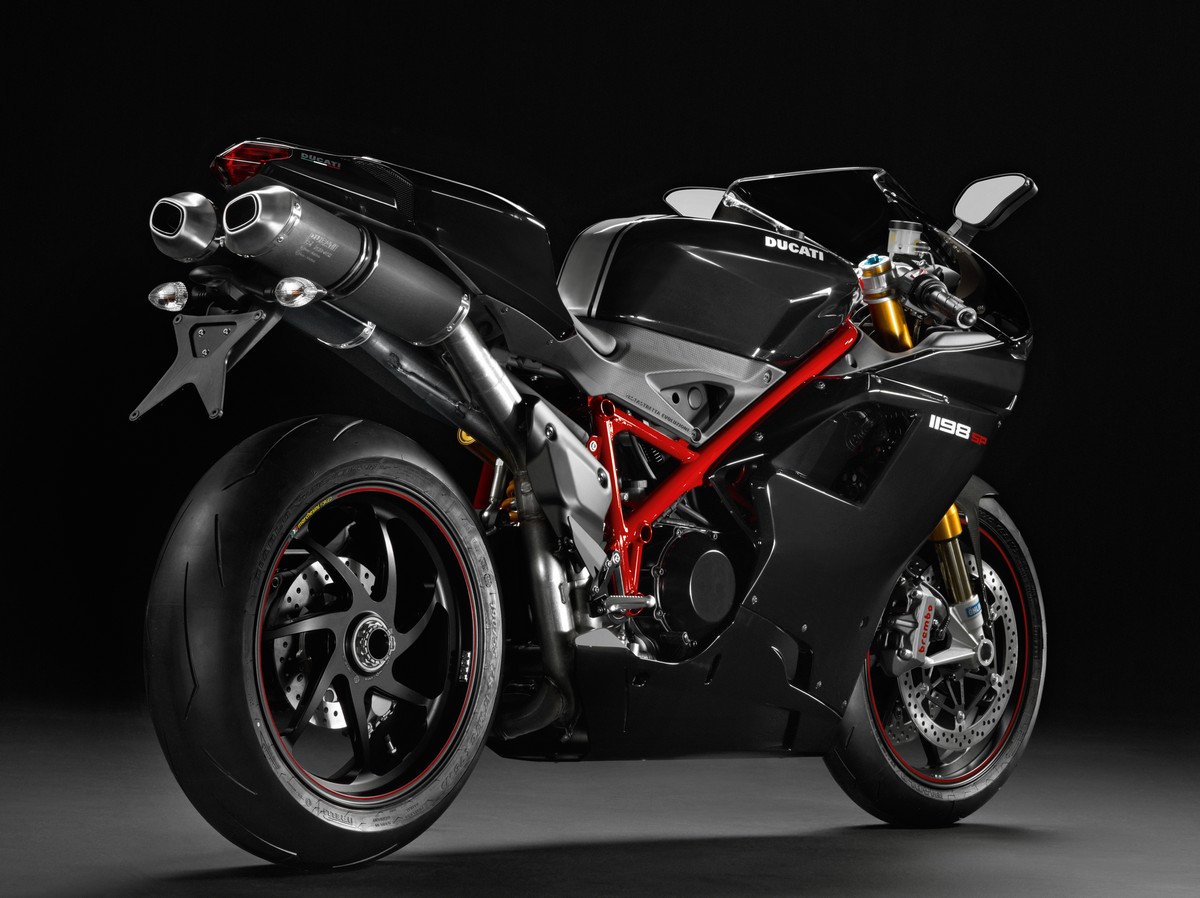
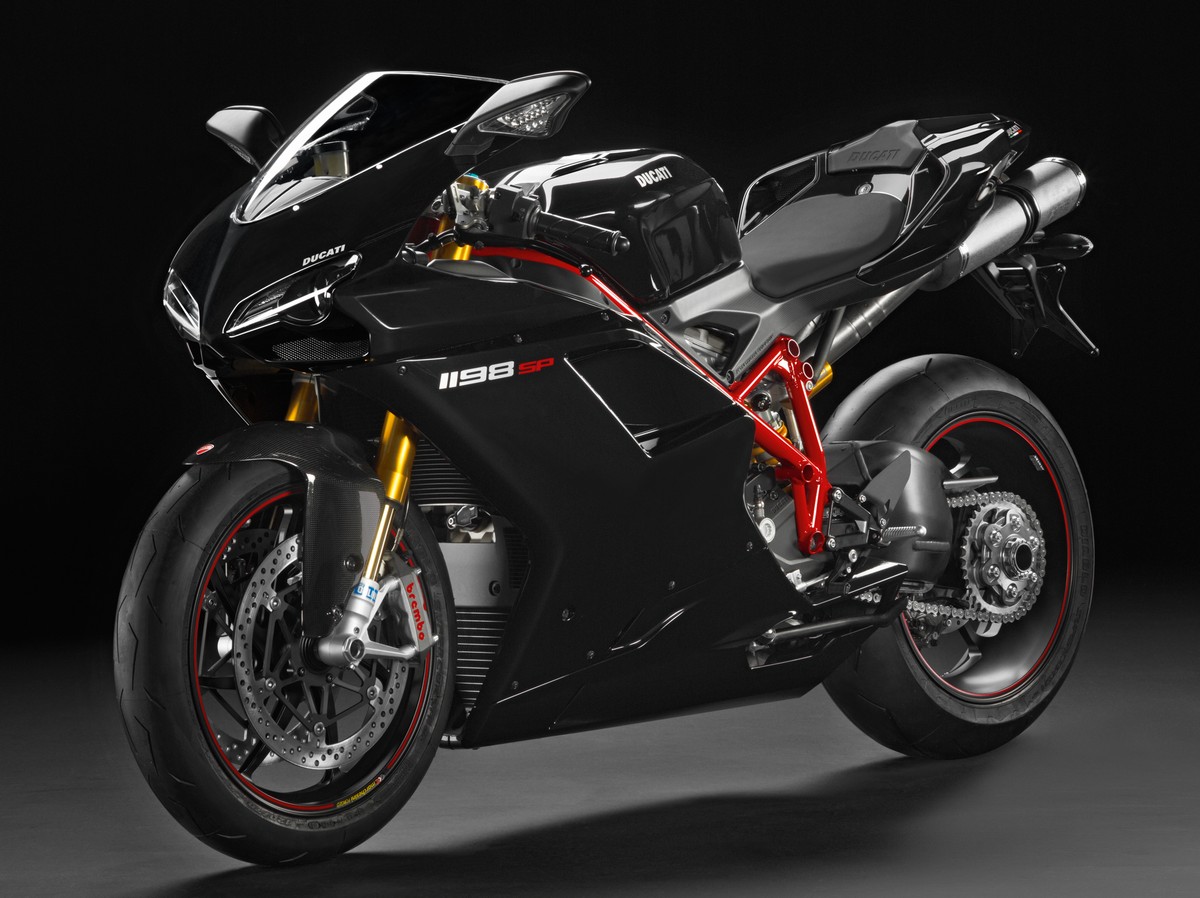
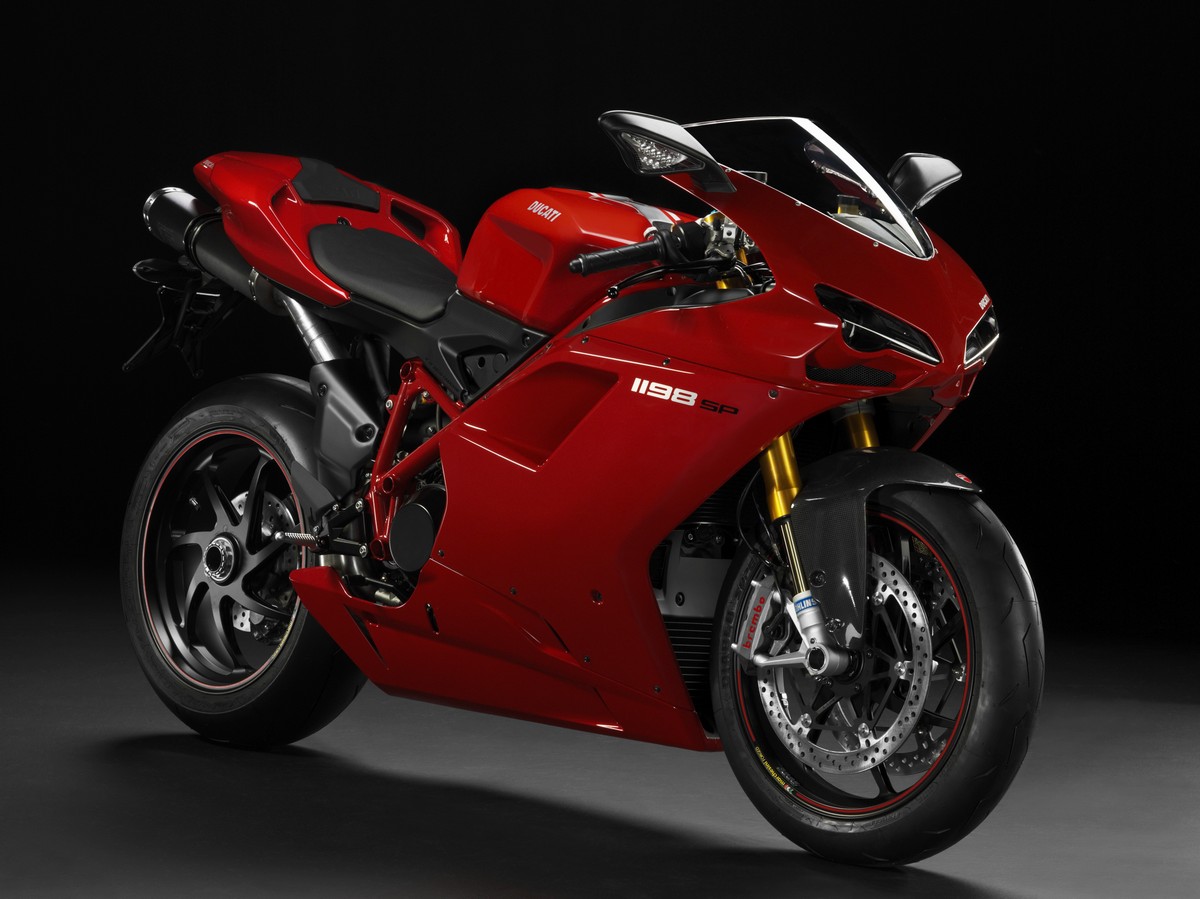
The 2011 1198 SP is available in two
colour schemes. The traditional Ducati red is now
supported by a new
diamond black and completed with red Trellis frames
and black wheels with signature red pin-striping.
|